Wimbledon's connection to the South Sea Bubble, history's first major financial crash, centres on Sir Theodore Janssen, the French-born financier who bought Wimbledon Manor in 1717 only to lose it four years later in one of Britain's most notorious corruption scandals.
From Wealth to Disgrace
Sir Theodore Janssen arrived in England as a Huguenot refugee and built a formidable fortune through banking and international trade. By 1717, his success allowed him to purchase Wimbledon Manor, where he commissioned architect Colen Campbell to build a grand new house. At the height of his prosperity, he had amassed nearly £250,000 — an immense sum for the era.
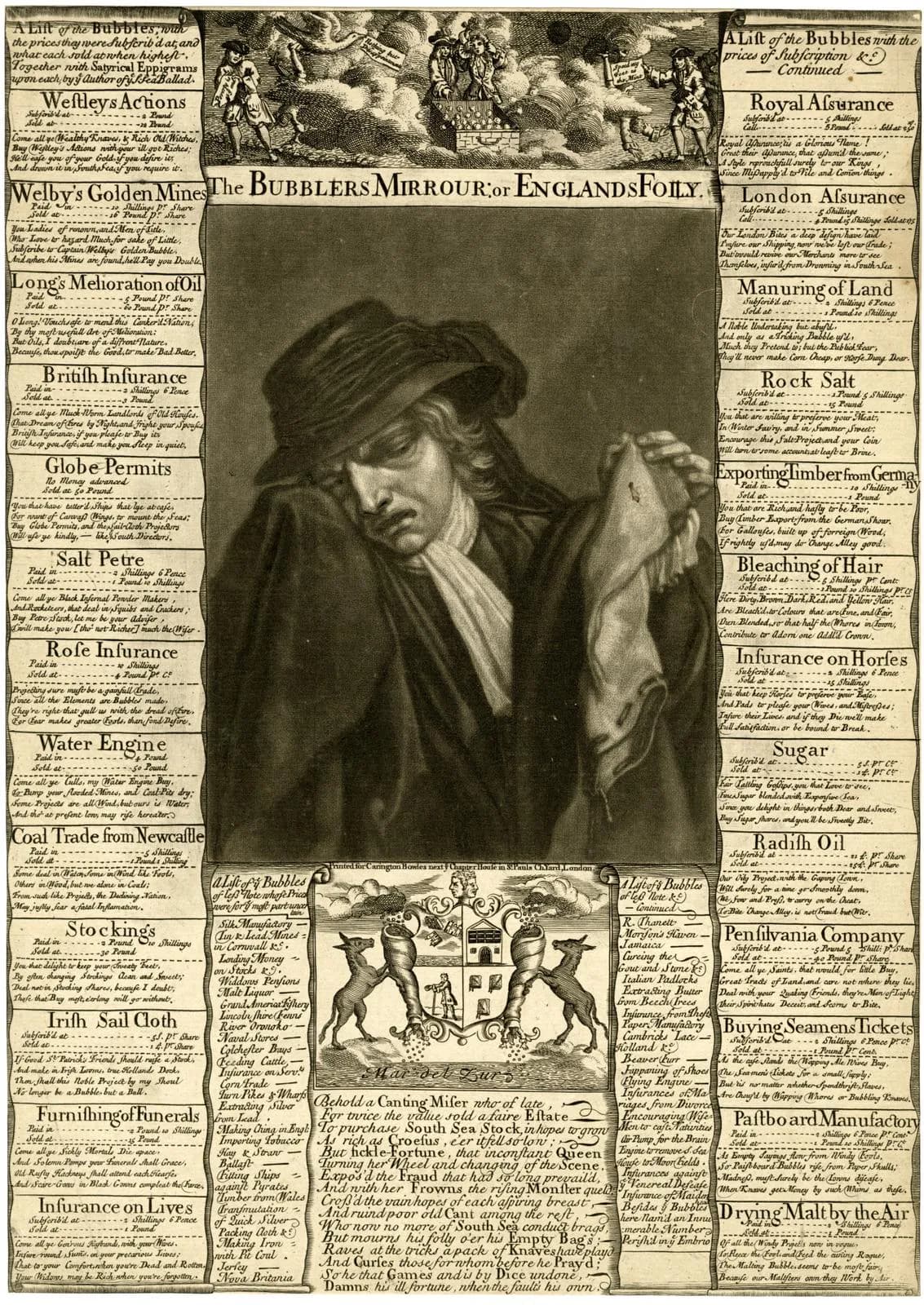
His downfall came through his role as a founding director of the South Sea Company, established in 1711 to consolidate Britain's national debt. When the company proposed taking over nearly £31 million of government obligations in 1720, speculation sent share prices soaring from £128 in January to £550 by May. The scheme collapsed in August, ruining thousands of investors and nearly destroying the British financial system.
Parliamentary Judgement
In 1721, the House of Commons summoned Janssen and fellow director Jacob Sawbridge to answer for their conduct. Parliament found them guilty of "a notorious Breach of Trust" that had "occasion'd very great Loss to great Numbers of his Majesty's Subjects."
The punishment was severe and unprecedented. Both men were disqualified from sitting in Parliament or holding public office. Their assets were confiscated to compensate ruined investors. Janssen was permitted to retain £50,000, though records suggest he actually kept £100,000. Most significantly for Wimbledon, Parliament stripped him of Wimbledon Manor in 1721.
Local Aftermath
Sarah Churchill, Duchess of Marlborough, purchased the manor in 1723 for £15,000. Janssen, however, did not leave the area. He lived quietly at Belvedere House near Wimbledon Village High Street until his death in 1748. He is buried in the churchyard of St Mary's Church, Wimbledon — a permanent reminder of the scandal that cost the village its manor lord.
His manor house, completed only in 1720, survived for nearly two centuries before its demolition in 1900. The scandal also claimed John Aislabie, Chancellor of the Exchequer, who was expelled from Parliament and imprisoned in the Tower of London for accepting £20,000 in company stock as a bribe.
The Bubble's Legacy
The South Sea Bubble remains a defining moment in financial history. The crisis revealed how deeply corruption had penetrated British institutions and prompted reforms that shaped modern corporate governance. For Wimbledon, the episode marked a dramatic transfer of local power — from a disgraced financier to the Marlborough dynasty — that would shape the village's development for generations.